Introduction
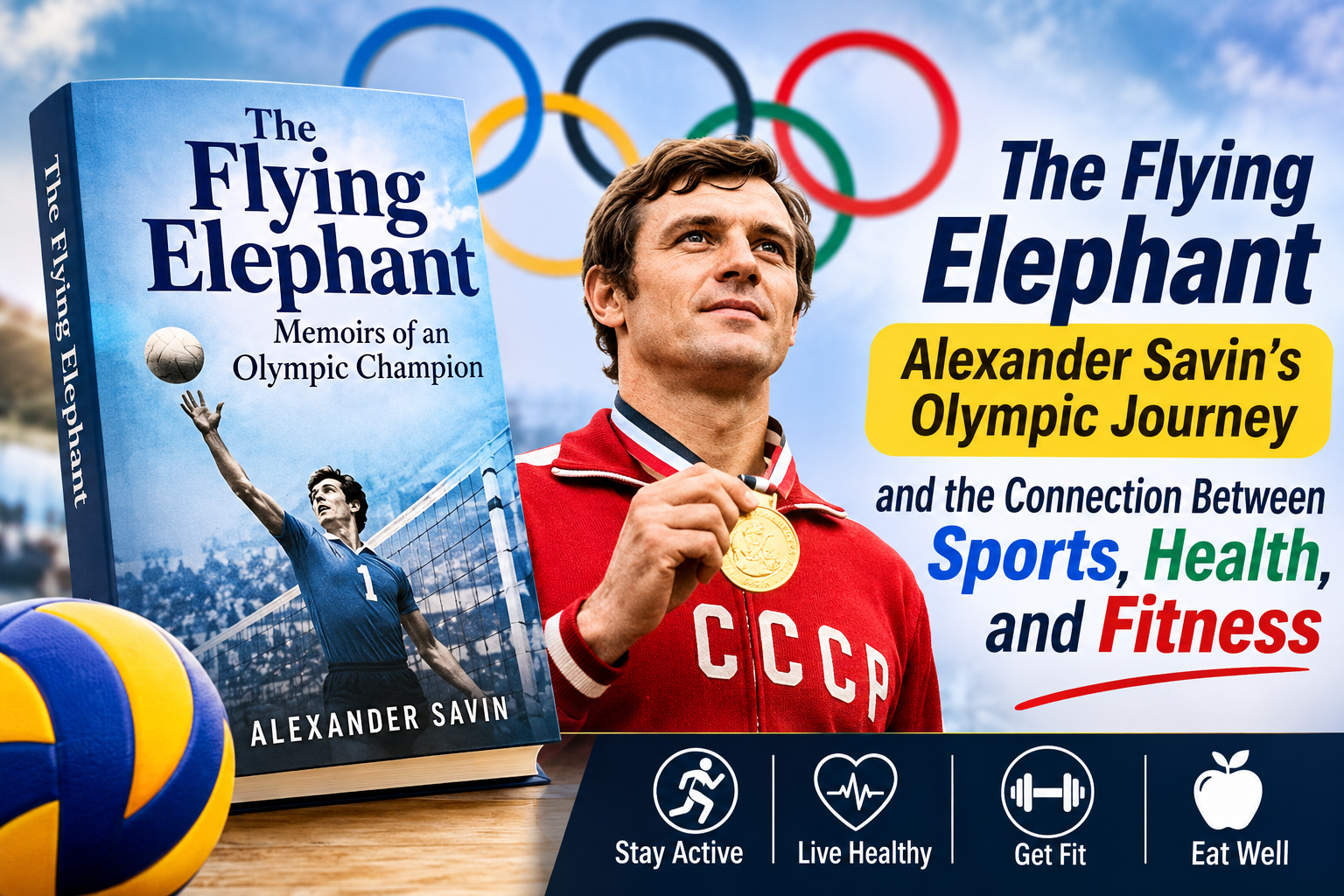
The Flying Elephant: Memoirs of an Olympic Champion Kindle Edition by Alexander Savin is a title that connects the world of Olympic sports with the dedication, discipline, and determination required to become an outstanding athlete. An Olympic champion’s journey is not only about winning medals or achieving international recognition. It also involves physical fitness, mental strength, healthy habits, consistent training, and the ability to overcome challenges.
From a health and wellness perspective, the experiences associated with professional sports offer valuable lessons about maintaining an active lifestyle. Athletic performance depends on several important factors, including physical conditioning, balanced nutrition, proper recovery, emotional well-being, and long-term commitment.
Exploring the connection between Alexander Savin’s sporting journey and modern health principles helps us understand why fitness and personal discipline are important beyond competitive sports.
Who Is Alexander Savin?
Alexander Savin is associated with the history of international volleyball and Olympic competition. His name is particularly relevant to discussions about athletic achievement, teamwork, and the development of professional volleyball.
Volleyball requires a combination of strength, coordination, flexibility, balance, concentration, and cardiovascular endurance. Athletes must develop these abilities through consistent practice and structured physical preparation.
An Olympic athlete’s experiences can provide an interesting perspective on the importance of physical and mental preparation. These principles are also relevant to people who want to improve their general health without becoming professional athletes.
The Importance of Physical Fitness in an Olympic Athlete’s Life
Physical fitness is one of the foundations of successful athletic performance. Volleyball players need strength, stamina, agility, and coordination to perform effectively throughout a competitive match.
Alexander Savin’s Olympic career illustrates the importance of developing physical abilities through regular sports participation. His achievements with the Soviet Union demonstrate the level of commitment associated with international volleyball.
We can identify several important fitness principles that are useful for everyday health:
-
Strength development: Strong muscles support movement, stability, and everyday physical activities.
-
Cardiovascular fitness: Activities such as walking, cycling, and swimming support heart and lung health.
-
Flexibility: Appropriate mobility exercises help maintain comfortable movement.
-
Balance and coordination: These abilities support movement control and general physical performance.
-
Consistency: Regular physical activity helps establish sustainable healthy habits.
These principles are valuable for athletes and individuals who simply want to maintain an active lifestyle.
What Alexander Savin’s Olympic Journey Teaches Us About Health
Alexander Savin achieved significant success during his international volleyball career. He represented the Soviet Union at the 1976 Montreal Olympics, where his team won a silver medal, and the 1980 Moscow Olympics, where the team secured the gold medal.
His sporting achievements also included world championships and European championship victories. The International Volleyball Hall of Fame recognized his contribution to the sport by inducting him in 2010.
Aleksandr Savin+1
From a wellness perspective, this journey highlights several valuable lessons.
First, physical preparation requires patience. Building fitness is a gradual process that depends on consistent effort rather than immediate results.
Second, teamwork supports motivation. Participating in team sports encourages communication, cooperation, and social connections.
Third, mental preparation matters. Competitive athletes need concentration, confidence, and the ability to respond constructively to challenging situations.
These lessons can help people develop healthier routines in their personal lives.
Nutrition and Healthy Eating for Better Athletic Performance
Nutrition plays an important role in supporting physical activity. Athletes require sufficient energy and nutrients to maintain their training routines and support normal recovery.
A balanced eating pattern generally includes:
-
Fruits and vegetables: Provide vitamins, minerals, and dietary fibre.
-
Whole grains: Supply carbohydrates that contribute to daily energy requirements.
-
Protein-rich foods: Support normal muscle maintenance and repair.
-
Healthy fats: Contribute to normal body functions.
-
Water: Helps maintain hydration, particularly during physical activity.
We should understand that professional athletes may have different nutritional requirements depending on their training schedules, age, and individual circumstances.
There is no single diet that works for everyone. Balanced eating habits and appropriate professional guidance are more useful than following extreme dietary restrictions.
Mental Health Benefits of Sports and Physical Activity
Physical activity is not only important for the body. It can also contribute positively to emotional and psychological well-being.
Participating in sports provides opportunities to develop confidence, discipline, patience, and social relationships. These qualities are relevant to people of different ages and fitness levels.
The competitive environment of Olympic volleyball also demonstrates the importance of concentration and cooperation.
Some potential mental wellness benefits of regular physical activity include:
-
Supporting a positive mood.
-
Helping manage everyday stress.
-
Encouraging better sleep routines.
-
Building confidence through achievable goals.
-
Providing opportunities for social interaction.
However, sports should remain a healthy activity rather than a constant source of pressure. Rest, enjoyment, and a balanced approach are essential.
Recovery and Rest: Essential Elements of a Healthy Lifestyle
Recovery is an important part of physical fitness. Professional athletes cannot depend on training alone because the body also needs adequate rest.
For everyday fitness, healthy recovery habits include getting sufficient sleep, allowing time between demanding activities, maintaining hydration, and eating balanced meals.
Beginners should increase physical activity gradually and select exercises appropriate to their abilities.
Volleyball involves jumping, quick movements, and coordination. Therefore, proper preparation and suitable coaching are particularly important for people learning the sport.
Understanding the relationship between exercise and recovery helps individuals develop sustainable fitness routines without unnecessary physical strain.
How Volleyball Supports General Health and Fitness
Volleyball is a popular team sport that combines movement, communication, and physical coordination.
Depending on the intensity and duration of participation, playing volleyball can provide several fitness benefits.
Cardiovascular activity: Moving around the court provides opportunities to increase physical activity.
Muscular development: Different movements involve the legs, arms, shoulders, and core muscles.
Coordination: Passing, serving, and receiving require attention and movement control.
Social wellness: Team participation encourages communication and cooperation.
People interested in volleyball should begin with suitable activities and learn basic techniques from qualified coaches. Recreational participation can be an enjoyable way to remain active without the pressures of professional competition.
Why The Flying Elephant Is Relevant to Sports and Wellness Readers
The Flying Elephant: Memoirs of an Olympic Champion connects readers with the sporting experiences of Alexander Savin.
For readers interested in health, fitness, and sports history, the subject offers an opportunity to explore how athletic achievement relates to physical preparation, personal discipline, teamwork, and long-term dedication.
The International Volleyball Hall of Fame provides historical information about Savin’s achievements, including his Olympic medals and contribution to international volleyball.
Holyoke, Massachusetts USA+1
Rather than treating an Olympic athlete’s experience as a universal health prescription, we can use sporting history to understand the broader importance of maintaining physical activity and developing healthy habits.
The book’s title also makes it relevant to readers searching for Olympic biographies, volleyball history, and personal accounts of competitive sports.
Practical Health Lessons We Can Learn From Olympic Sports
There are several simple ways to apply the positive principles of professional sports to everyday life.
-
Set realistic goals: Choose achievable fitness goals and develop them gradually.
-
Stay physically active: Include enjoyable movement in your daily routine.
-
Eat balanced meals: Focus on variety and adequate nutrition.
-
Prioritize sleep: Maintain a consistent sleeping schedule.
-
Develop social connections: Participate in recreational activities with others.
-
Allow recovery: Balance physical activity with sufficient rest.
These habits support general well-being and can be adapted to different lifestyles.
People with health concerns or specific exercise limitations should seek advice from an appropriate healthcare professional before beginning a new exercise programme.
Frequently Asked Questions (FAQs)
1. Who is Alexander Savin?
Alexander Savin, also known as Aleksandr Borisovich Savin, is a former Soviet volleyball player and Olympic champion. He won Olympic silver in 1976 and gold in 1980.
2. What is The Flying Elephant: Memoirs of an Olympic Champion about?
It is a sports memoir associated with Alexander Savin’s volleyball career and Olympic experiences. Readers interested in volleyball and Olympic sporting history may find the subject particularly interesting.
3. What can we learn about health from Olympic athletes?
Olympic sports highlight the importance of physical activity, balanced nutrition, appropriate recovery, mental preparation, and consistent training.
4. How does volleyball benefit physical health?
Volleyball involves movement, coordination, jumping, and teamwork. Recreational participation can contribute to cardiovascular fitness, muscular activity, and general physical well-being.
5. Why are rest and recovery important for athletes?
Rest gives the body time to recover from physical activity. Adequate sleep, hydration, and balanced nutrition are important parts of maintaining general health.
6. Is physical fitness important for people who do not play professional sports?
Yes. Regular physical activity supports general health and can be adapted to individual abilities, interests, and lifestyles.
Conclusion
The Flying Elephant: Memoirs of an Olympic Champion Kindle Edition by Alexander Savin provides an interesting connection to Olympic volleyball, sporting achievements, and the dedication associated with professional athletics.
Alexander Savin’s journey reminds us that success in sports involves much more than natural ability. Physical preparation, teamwork, concentration, and commitment all contribute to athletic development.
From a health and wellness perspective, these principles encourage us to appreciate regular movement, balanced nutrition, sufficient rest, and positive daily habits.
Whether we are interested in Olympic history, volleyball, physical fitness, or general well-being, the relationship between sports and health offers valuable lessons for a more active and balanced lifestyle.